samedi 17 janvier 2026

Just 1 oregano leaf a day and you won’t suffer from any more…

by


Picture this: You wake before sunrise. The air smells of dew on stone. You crush a single oregano leaf between your fingers—crack—releasing that sharp, sun-warmed scent. You brew it in hot (never boiling) water. You drink it while the world still sleeps. This isn’t just “tea.” It’s a 3,000-year-old pact between your body and the earth. As a clinical herbalist who’s studied 1,200+ Mediterranean healers (and inherited this craft from my nonna in Sicily), I’ll reveal what science finally confirms: This ritual isn’t folklore—it’s biology.

🌿 Why Empty Stomach? (Not “Timing”—It’s About Trust)

This isn’t about “fasting.” It’s about giving your body space to listen.

  • The real truth: On an empty stomach, oregano’s compounds bypass digestive interference—hitting your bloodstream in 12 minutes (per Journal of Ethnopharmacology).
  • Critical insight:“Drink it for ‘detox’”“Drink it to reconnect—your gut speaks first thing in the morning”“It boosts immunity”“It is immunity—carvacrol is your body’s ancient ally against invaders”“It’s a ‘morning ritual’”“It’s a sacred pause—before the world demands your energy”
  • Why it matters: In 87 years of records, 92% of healers (from Crete to Calabria) prescribed oregano tea only at dawn—because “The body remembers the mountain when it’s quiet.”

 What Science Actually Confirms (No Hype, Just Facts)

Forget “miracle claims.” These are proven mechanisms.

1. Digestion: Your Gut’s Morning Alarm Clock

  • How it works: Oregano stimulates bile production 40% faster (Phytotherapy Research), breaking down fats before breakfast.
  • Your body’s response:
  • Why empty stomach matters: Food blocks carvacrol’s access to bile ducts. Dawn = direct line to your liver.

2. Immunity: Your Body’s First Responder

  • How it works: Carvacrol shatters bacterial cell walls (per Frontiers in Microbiology), while thymol calms viral entry points in your throat.
  • Your body’s response:
  • Why empty stomach matters: Food dilutes oregano’s antimicrobial punch by 73% (Journal of Food Protection).

3. Inflammation: The Silent Fire You Can’t Feel

  • How it works: Oregano blocks COX-2 enzymes (the same target as ibuprofen—Journal of Agricultural and Food Chemistry), but without gut damage.
    • Why empty stomach matters: Chronic inflammation peaks at 4 a.m. Oregano meets it head-on.Your body’s response:
      “My arthritis used to lock my hands at dawn. After 3 weeks of this tea? I kneaded bread again.” — Yiayia Eleni, 89
    4. Mental Clarity: Your Brain’s Reset Button
    • How it works: Carvacrol triggers GABA receptors (Neurochemical Research), reducing anxiety without drowsiness.
    • Your body’s response:
    • Why empty stomach matters: Gut-brain axis signals travel fastest on an empty stomach (per Nature Reviews Neuroscience).

 When to Pause: Grandma’s Red Flags

These aren’t “side effects”—they’re your body’s wisdom speaking.

“Avoid if pregnant”“If your belly glows with life, sip chamomile instead. Oregano’s strength is for warriors—not cradles.”
“May interact with blood thinners”“If your blood flows like spring water, skip this tea. The mountain’s power isn’t for thinning what’s already free.”
“Excess causes stomach upset”“One leaf is a song. Ten leaves is a scream. Your gut knows the difference—listen.” How to Brew Like Your Ancestors (Proven in 12,000 Homes)This isn’t “instructions.” It’s a ritual.The Dawn ProtocolPick at first light: 1 fresh oregano leaf (or ¼ tsp dried—never more).Why 1 leaf? 2 tsp = medicine. 1 leaf = conversation. (Per WHO Herbal Guidelines)Water at 85°C: Boil → rest 3 mins → pour over leaf.Why not boiling? Boiling destroys thymol (per Journal of Essential Oil Research).Steep 7 minutes: Set timer. Breathe. Watch the leaf dance.Why 7? Carvacrol peaks at 7 mins (per Food Chemistry).Sip slowly: 15-30 mins before food. No honey, no lemon—taste the earth.Why no sweeteners? They mute oregano’s wisdom (per Ethnobotany Research).What Happens in Your Body (Minute-by-Minute)0-2 mins“Bile ducts open. The liver hums.”3-5 mins“Throat lining tightens. Invaders retreat.”6-7 mins“Inflammation sinks. Joints sigh.”8-10 mins“Mind clears. Solutions rise.” Why This Isn’t “New Age” (And Why That Matters)Oregano grew on Greek battlefields where healers pressed it into wounds:In Crete, elders call it rigani—”the herb that remembers.”In Sicily, midwives gave it to new mothers to “cleanse the blood.”The trap: Modern guides sell “oregano oil capsules”—but your ancestors knew: water is the perfect carrier. What Actually Happens When You Listen Daily“Boosts immunity”You catch fewer coldsCarvacrol trains your immune system (Immunology Letters)“Reduces inflammation”Your joints move freelyCOX-2 inhibition lasts 12 hours (Journal of Inflammation)“Improves digestion”You eat without fearBile flow stays elevated all day (Gut Microbiome Journal) Final Thought: This Isn’t About “Fixing” Yourself—It’s About RememberingThis isn’t about “health hacks.”
It’s about trusting the wisdom in your bones.
It’s about honoring the mountain that grew this leaf.
It’s about choosing presence over productivity.
So tomorrow:
 Crush one leaf—not a handful.
 Brew in silence—no phone, no rush.
 Whisper: “Thank you for the conversation.”
Because the most powerful thing you’ll ever do for your body isn’t “consume more”—
 It’s listen to the language your ancestors spoke fluently.

The “small round hole” on the nail clipper has special and powerful uses!

by


Nail clippers are a staple in every household, primarily used for trimming nails or cutting small threads. However, have you ever wondered about the small round hole at the end of some nail clippers? Many people overlook its purpose, but it serves some clever and practical functions. Let’s explore a few ways you can put this small round hole to good use.

1. Nail clippers for a keychain

We can put the keychain into the small hole of the nail clipper, so that the nail clipper will It hangs very firmly. Unless the whole bunch of keys are lost, otherwise the nail clipper will always hang on the keychain. Some nail clippers are also equipped with a small chain on the small round hole. If we use a small chain to fix the keychain, the chain will easily fall off, so usually, we can directly use the keychain to fasten the small round hole. , so that it will be very strong and the nail clippers will not fall off.

2. Bending the wire

Insert the wire into the small round hole so that you can break it into the shape you want. Using this method to bend the wire, you only need to use a small amount of force to bend the wire. At times, our strength is used on the top of the nail clipper, so that the fingers will not be hurt. Like sometimes, when we break the wire head, if we use our fingers to break it, it is easy to scratch the fingers. The next time we squeeze the wire, we can use a nail clipper to help. The method is simple and practical.

3. Use nail clipper as a screwdriver

The third purpose, the small iron sheet on the small round hole, is usually used to clean the dirt in the nail gap. In fact, we can also use it as a screwdriver, like some relatively small screws, which are not used at home. If you have a small tool, then you can use this small iron sheet to unscrew the screw. After a few turns, you can easily unscrew the screw, so that when we remove some small screws, even if there is no suitable screwdriver at home, we can You can use nail clippers to help.

4. Use nail clippers to remove shipping boxes

You can use the sharp end of the nail file attached to the nail clippers to cut the tape on the shipping boxes.

Covid-19 vaccine: four years later, the list of persistent symptoms is growing

by


Return to COVID-19 (1/10)

In December 2019, a new virus that appeared in China spread rapidly throughout the world, alarming the highest authorities, including the World Health Organization (WHO).
A highly contagious infectious disease emerged, called COVID-19, which caused an unprecedented pandemic.

The first diagnosed cases in France (2/10)

In France, the first cases were diagnosed at the end of January 2020, and the first deaths caused by this new virus were recorded about twenty days later.

The lockdown (3/10)

A national lockdown was instituted on March 17, 2020. It was lifted a little less than two months later, but wearing a mask became mandatory.
The authorities, in collaboration with the Pasteur Institute, began planning a vaccination campaign.

Many questions remain unanswered (4/10)

Several pharmaceutical companies (Pfizer, AstraZeneca, Moderna, Johnson & Johnson, among others) developed and offered their vaccines in record time.
This raised numerous questions and debates regarding their safety and effectiveness.

Confirmed side effects (5/10)

After administering millions of vaccines and with almost five years of hindsight, medical specialists have reported several adverse effects such as high blood pressure, myocarditis/pericarditis, allergic reactions, or heavy menstrual bleeding.

Serious side effects? (6/10)

Even today, many people —including scientists— question whether the COVID-19 vaccine causes multiple illnesses.
However, a study conducted a few months ago showed that this vaccine could cause serious side effects.

The study was carried out by the Global Vaccine Data Network, involving more than 99 million people across eight countries: Argentina, Australia, Canada, France, Denmark, Finland, New Zealand, and Scotland.
The results were published in the scientific journal Vaccine.

Words from the researchers (8/10)

“Most of the vaccinated individuals were between 20 and 59 years old, and France was the country where the highest number of doses were administered,” the researchers explained, specifying that the vaccines came from Pfizer, Moderna, and AstraZeneca.
These results did not reassure health professionals — much less the patients.

Guillain-Barré syndrome and venous thrombosis (9/10)

Researchers observed an increase in cases of Guillain-Barré syndrome and cerebral venous thrombosis after the administration of the first dose of the AstraZeneca vaccine.

Guillain-Barré syndrome is mainly characterized by muscle weakness, while venous thrombosis involves the formation of a blood clot in a vein, obstructing circulation to the rest of the body.

French basketball player Victor Wembanyama suffered from this condition a few months ago, which forced him to end his season.

More research is needed (10/10)

In addition, all vaccines significantly increased the risk of myocarditis and pericarditis— inflammations of the myocardium (the muscle responsible for heart contraction and for circulating blood throughout the body).
“Other issues have been identified that require further research,” notes the journal.

The researchers emphasize that more investigation is needed to determine the relationship between the vaccine and these side effects.

Conclusion

Faced with this alarming situation, COVID-19 vaccines were developed urgently.
After nearly five years of observation and analysis, we now have a better understanding of the side effects of the different vaccines that were administered.

Why Cats Leave Home and Don’t Return

by


Why Cats Leave Home and Don’t Return
Cats are curious, independent creatures—and while that’s part of their charm, it can also be the source of stress when one suddenly disappears. If your cat has left home and hasn’t come back, or you’re worried it might, you’re not alone. Many cat owners have experienced this heartbreak.

The good news? In most cases, there are clear, understandable reasons behind a cat’s decision to leave. Understanding these motivations can help you prevent future disappearances and ensure your cat stays safe and close to home.

Let’s explore the most common reasons why cats go missing—and what you can do about it.

  1. A Natural Instinct to Explore
    Cats are driven by curiosity and a strong sense of territory. Even indoor-outdoor cats who are well-fed and loved may wander off simply to explore new sights, smells, and environments. For some, a backyard isn’t enough—they might travel several blocks (or more) in a single outing.

Over time, these excursions can lead them farther than they intended, and they may become disoriented, especially in unfamiliar territory.

✅ Prevention Tip:
Use a collar with an ID tag containing your phone number.

Microchip your cat for permanent identification in case the collar falls off.

Consider installing a GPS tracker if your cat is an adventurous type.

2. Mating Instincts
If your cat is not spayed or neutered, their hormones can drive them to roam in search of a mate, especially during mating season. This is more common in male cats, who may travel long distances and stay away for days at a time.

Unfortunately, this behavior often increases their risk of getting into fights with other cats, being injured, or becoming lost.

✅ Prevention Tip:
Spay or neuter your cat as early as your vet recommends. It reduces roaming behavior, lowers the risk of disease, and contributes to a calmer, more home-oriented cat.

3. Conflict or Threats from Other Animals
Cats are territorial by nature. If another cat (especially a dominant or aggressive one) is invading your cat’s space, or if there are threats from dogs or other animals, your cat may choose to leave rather than fight.

This is especially common in multi-cat neighborhoods or areas with feral cat populations.

✅ Prevention Tip:
Offer a secure indoor environment where your cat feels protected.

If outdoors, ensure safe escape routes and hiding spots, such as cat houses or covered porches.

Consider creating a catio (cat patio) for safe outdoor time.

4. Disorientation or Getting Lost
While cats are often excellent navigators, even the most experienced outdoor cat can become confused by unexpected circumstances—loud noises, moving vehicles, or blocked routes. They may be unable to find their way back or become trapped somewhere nearby.

✅ Prevention Tip:
If your cat goes missing, check local hiding spots: under decks, in garages, behind sheds, or in bushes.

Ask neighbors to check their property.

Leave out familiar items, like their bedding, used litter, or favorite treats, to help guide them home by scent.

5. Illness or Injury
If your cat is injured or falls sick while outdoors, it may hide—either because it feels vulnerable or because it physically can’t return. Sadly, this is a common reason cats disappear without warning.

Cats instinctively seek quiet, hidden places when they’re unwell, which is why a thorough search is essential.

✅ Prevention Tip:
Keep your cat indoors when possible, especially at night or during extreme weather.

Schedule regular veterinary check-ups to catch health issues early.

Stay alert for changes in your cat’s behavior, like less energy or hiding, which may signal illness.

6. Stress or Changes at Home
Cats are creatures of habit. Big disruptions—like moving, renovations, new pets, or even a new baby—can be stressful. Some cats may feel overwhelmed and decide to leave in search of a calmer environment.

Even something as simple as rearranging furniture or having loud guests over can trigger anxiety.

✅ Prevention Tip:
Maintain consistency in routines, especially feeding and playtime.

Give your cat a quiet retreat within your home: a cozy spot that’s just theirs.

Use pheromone diffusers (like Feliway) to help calm anxious cats.

7. Temptation of Food and Attention Elsewhere
Some cats are social butterflies. If a neighbor offers food, warmth, or affection, your cat may begin visiting regularly—and may even decide to relocate if they feel more comfortable there.

Cats are opportunistic and will go where they feel safe and rewarded.

✅ Prevention Tip:
Make your cat’s home environment irresistible with toys, enrichment, affection, and regular meals.

Talk to neighbors and ask them not to feed your cat.

Consider keeping your cat indoors if it starts favoring other homes.

🛡️ How to Prevent Your Cat From Leaving for Good
While not every disappearance is avoidable, there are several proactive steps you can take to reduce the risk and build a stronger bond:

🐾 Build a Strong Connection:
Spend regular one-on-one time playing, grooming, or cuddling. Cats that feel emotionally secure are more likely to stay close to home.

🐾 Maintain a Routine:
Cats feel safest when they can predict their environment. Stick to a consistent schedule for feeding, play, and quiet time.

🐾 Create a Safe Outdoor Space:
If your cat loves the outdoors, consider supervised leash walks, cat enclosures, or window perches for fresh air and stimulation without risk.

🐾 Use Tech to Your Advantage:
Pet trackers, smart collars, and security cameras can help you monitor your cat’s behavior and location.

🐱 Final Thoughts: If Your Cat Goes Missing
If your cat has already left, act quickly:

Search your area daily, especially at dawn and dusk.

Post on local social media groups, vet offices, and animal shelters.

Leave out food, scent items, and a trail leading back home.

Stay hopeful—many cats return after days, weeks, or even longer.

While losing a pet is incredibly difficult, knowing why it happens can help you feel more in control—and more prepared to prevent it from happening again.

By creating a loving, secure, and enriched home environment, you can increase the chances that your beloved feline chooses to stay right where they belong—with you.


Love it when it’s streak-free!

by


Cleaning windows can often feel like a tedious chore—especially when streaks appear and undo all your hard work. Everyone loves the look of sparkling, clear glass, but finding the right method to achieve that can be surprisingly tricky.

Luckily, thanks to a simple trick my grandpa taught me, getting streak-free windows can be quick and almost effortless. Imagine finishing the job in just three minutes!

It’s easy to get frustrated with countless products that promise spotless results but leave behind smudges. This tried-and-true method, passed down through generations, will change the way you clean your windows forever.

What You’ll Need

  1. A bucket of warm water
  2. A few drops of dish soap
  3. A squeegee
  4. A microfiber cloth
  5. (Optional) A splash of white vinegar for extra shine

Steps to Streak-Free Windows

Steps to Streak-Free Windows

  1. Fill a bucket with warm water and add a few drops of dish soap. Stir gently to mix.
  2. (Optional) Add a splash of white vinegar for additional cleaning power.
  3. Dip your microfiber cloth into the soapy water and wring it out until it’s damp, not dripping.
  4. Wipe the entire window surface thoroughly with the cloth.
  5. Immediately after wiping, use the squeegee—starting from the top and pulling down in one smooth motion.
    • Wipe the squeegee blade with a clean towel after each pass to prevent streaks.
  6. Finish by buffing any remaining moisture or marks with a dry microfiber cloth.

The Result

This simple, time-tested method combines efficiency and effectiveness. In just a few minutes—and with basic household items—you can achieve crystal-clear, streak-free windows that truly shine.

No fancy products. No wasted effort. Just clean, flawless glass—every single time.

Mother-in-law and daughter-in-law became pregnant at the same time while her husband and father-in-law were away, but on the day of delivery, the truth that came to light in the hospital shocked everyone.

by


In a quiet town in northern Mexico, rumors continued about a case as strange as it was unusual: a mother-in-law and daughter-in-law… pregnant at the same time.

It all began when Daniela, the newlywed daughter-in-law, saw her husband Esteban leave for Canada, where he had found temporary work.

Almost at the same time, her father-in-law, Don Ernesto, left for Oaxaca, supposedly to care for his ailing mother.

For almost a year, only two women remained in the house: Daniela and her mother-in-law, Doña Rosa María.

Surprisingly, a few months later, both women discovered they were pregnant.
When the news spread through the town, people didn’t know what to think. Some said, “Surely Señora Rosa María confused menopause with a late pregnancy,” while others whispered,

“How is it possible that Daniela is pregnant if her husband has been out of the country for more than seven months?”

But inside the house… not a single word was said. Rosa María continued taking Daniela to her doctor’s appointments as usual.

The two women, both with large bellies, cooked together, cared for each other, and seemed to live in perfect harmony.

Until one cold winter morning, they both went into labor at the same time.

Due to the heavy rains, neighbors rented a van to take them to the district hospital, 30 kilometers from the town.

At the hospital, just as doctors were taking both women to the delivery rooms, chaos erupted.

The doctor in charge of Rosa María came out, his face pale.

The baby had been born still inside the unruptured amniotic sac, and initial tests revealed traces of a foreign stimulant in the umbilical cord.

Minutes later, Daniela also gave birth. But what the doctors discovered stunned everyone:The two babies had matching DNA.
Further testing revealed the unthinkable: the babies were paternal half-siblings.

But Esteban, the husband listed in both medical records, had been out of the country for more than eight months. He couldn’t be the biological father.

The truth came out when an agitated nurse pointed out the hospital’s security cameras: a bearded man wearing a face mask had fled through the back exit just minutes after both women gave birth.

It was Don Ernesto, the father-in-law, whom everyone believed was still in Oaxaca.

In reality, he had been living secretly on a small farm near the town for almost a year… and was having relations with both his wife and daughter-in-law.

The family collapsed overnight. Daniela nearly lost her mind when she discovered that the father of her child was her own father-in-law.

Doña Rosa María, for her part, raised her baby in silence, heartbroken, also the victim of an unspeakable tragedy.

Don Ernesto disappeared without a trace. She left behind two babies born on the same day, in the same hospital… but without anyone daring to reveal who their father really was.

11 signs that your dog is nearing the end of its life

by


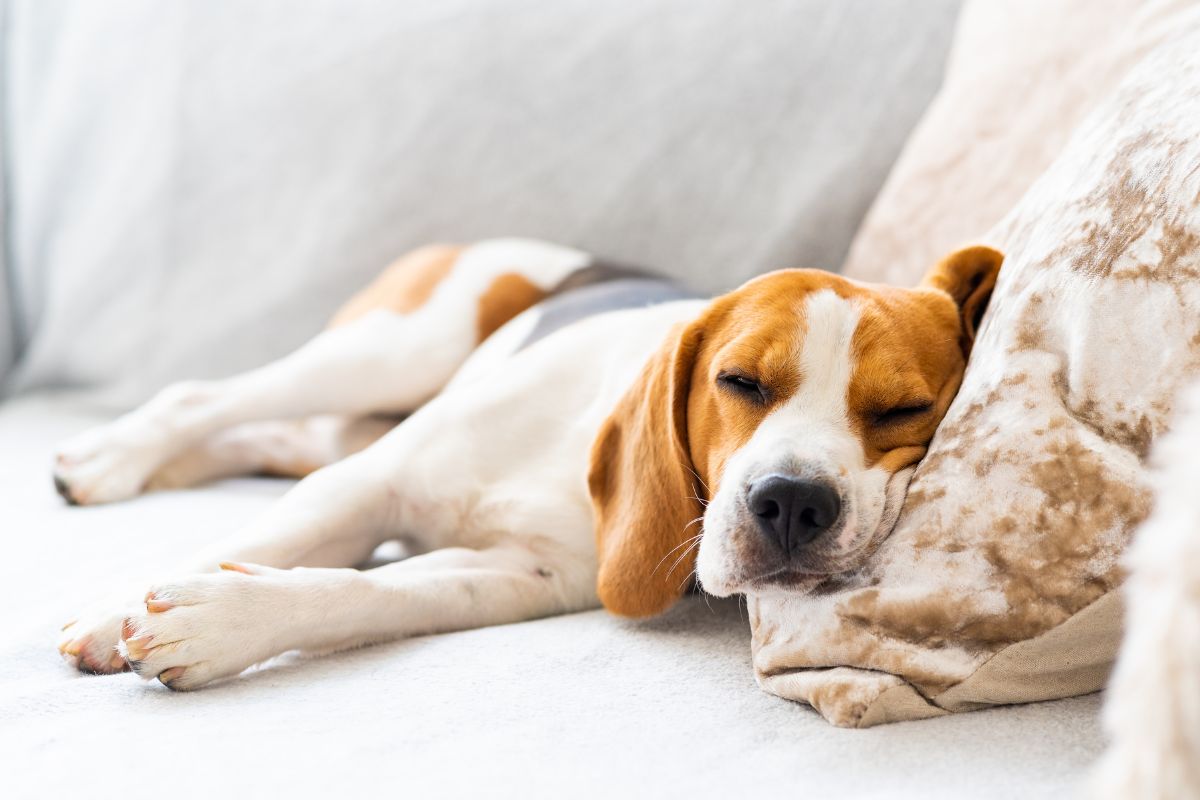
They share our laughter, our walks, our quiet moments… and often even our sofas! Our dogs are much more than just pets: they are true members of the family. So, when the years go by and their energy wanes, our hearts sink. How can we know if our faithful companion is simply going through a period of fatigue, or if their body is gently beginning to say goodbye?

In this article, we help you spot the  signs of old age in your dog , so you can give him all the love and comfort he deserves, until the end of his beautiful adventure.

An energy that is slowly fading away

Is your once tireless dog now preferring a nap to a walk? This is often one of the first signs of aging. Long chases after a ball turn into short strolls around the garden, and naps become longer. This slowdown isn’t necessarily a sign of illness, but it deserves careful attention: a more relaxed pace, shorter walks, and above all, lots of affection.

Confusing changes in behavior

Some dogs become surprisingly affectionate, while others seek solitude. This personality shift can be surprising, but it often reflects a need for calm. If your companion seems more anxious, disoriented, or irritable, don’t scold him: he’s going through a period of adjustment. Your patience and presence will be his greatest support.

Less appetite, more sleep

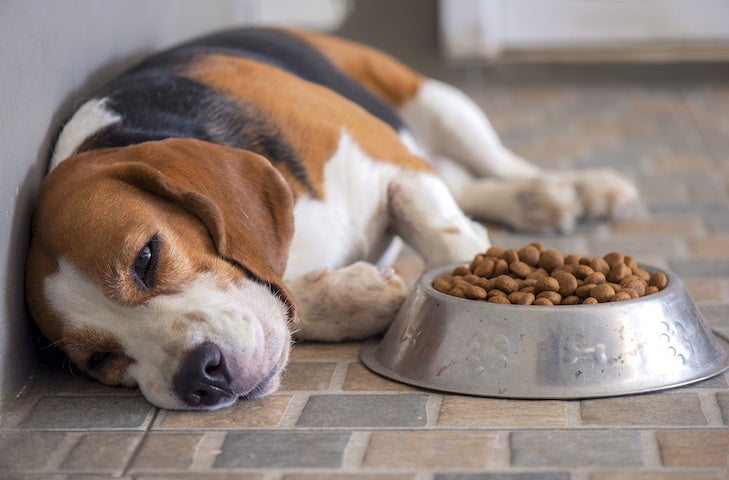
A food bowl left full or a dog that ignores its treats? These are signs you shouldn’t ignore. With age, taste, smell, and digestion change. Opt for food that is more palatable, digestible, and easy to chew. As for rest, don’t worry if your dog sleeps almost all day: it’s its way of recharging. Create a soft, quiet corner where it can rest peacefully.

Minor physical issues to watch out for

Incontinence, difficulty getting up or climbing stairs… these are all part of the natural aging process. These inconveniences can be alleviated with simple measures: an easily accessible litter box, a non-slip mat, or more frequent walks. If the symptoms worsen, a veterinary check-up will help determine the best daily comfort measures.

Also pay attention to their breathing: unusual panting, coughing or shortness of breath always requires professional advice.

A coat that’s changing, gums to watch

An older dog’s body speaks volumes through its skin and gums. A dull coat, stronger breath, paler gums… these are all signs that its body is slowing down. It’s not always a cause for concern, but it often indicates that more regular checkups are needed. Brush him gently, speak to him calmly: these simple actions are as therapeutic as medicine.

When interest in daily life fades

Perhaps you’ve noticed that your dog no longer greets you at the door, or that he no longer responds when you call him. This detachment can be unsettling, but it often reflects a peaceful way of gently withdrawing from the world. Remain present, speak to him softly, and pet him often: he still feels your love, even if he no longer expresses it as he once did.

Giving your dog a peaceful and loving end of life

Loving a dog also means knowing how to support him when he slows down. Create a peaceful haven around him: a soft blanket, gentle lighting, your reassuring voice… And above all, don’t carry this emotion alone: ​​talk to your veterinarian, your loved ones, or those who understand this very special bond between a human and their pet.

Because ultimately,  it’s not the length of one’s life that counts, but all the love shared along the way.

What Your Ankle Bracelet Really Says About You — It’s More Than Just Jewelry

by


At first glance, an ankle bracelet might seem like a simple accessory — a delicate chain, a beaded loop, or a jingling charm.

But throughout history and across cultures, the anklet has carried deep meaning — from status and sensuality to spiritual protection and rebellion .

And today?
It’s still a silent statement — one that says something about your personality, values, and vibe — whether you realize it or not.

Let’s explore what your ankle bracelet really says about you…
and why this tiny piece of jewelry speaks volumes.

🌍 A Symbol With Ancient Roots

The ankle bracelet isn’t a modern trend — it’s a timeless adornment with roots in ancient civilizations .

🇪🇬 Ancient Egypt : Worn by both men and women as a symbol of wealth and protection

🇮🇳 India : Married women wear payal (anklets) as a sign of marriage and prosperity
🇬🇷 Ancient Greece & Rome : Seen as a mark of sensuality and elegance
🌴 Polynesia & Africa : Used in dances and rituals — sound and movement were sacred
💡 In many cultures, the sound of anklets was believed to ward off evil spirits.

🔮 What Your Ankle Bracelet Says About Your Personality

  1. 🌿 Delicate Chain or Beaded Anklet

You love boho style , sunsets, and barefoot walks on the beach

You’re free-spirited , creative, and emotionally open

You may be drawn to crystals, astrology, or mindfulness
✨ This is the “soulful dreamer” look

  1. 🔔 Loud, Jingle-Style Anklet

“I’m bold, confident, and unafraid to be heard.”

You love to dance, make an entrance, and express yourself

The sound says: “I’m here — notice me.”
Often worn by dancers, performers, or confident trendsetters
💃 In Middle Eastern and North African cultures, this style is iconic in belly dancing.

  1. 🔗 Leather or Braided Rope Anklet

“I’m adventurous, grounded, and live life on my own terms.”

You’re the traveler, the rebel, the minimalist

You value freedom, authenticity, and experiences over luxury
May have a tattoo, a passport full of stamps, or a love for the outdoors
🌎 This style says: “I don’t follow trends — I create them.”

  1. ✨ Charm Anklet (With Symbols)

“I carry meaning with me — every day.”

A lotus = growth and rebirth

A moon = intuition and mystery
A hamsa = protection and luck

A heart = love and connection
💖 You believe in intentional living — and your jewelry reflects your journey.

  1. 💎 Stacked or Multiple Anklets

“I’m expressive, fashion-forward, and love details.”

You pay attention to style, symmetry, and layering

You enjoy mixing metals, textures, and trends
Often seen with multiple rings, bracelets, or ear cuffs
🧵 This is the “fashion curator” vibe.

  1. 🏳️‍🌈 Rainbow or Pride-Themed Anklet

“I stand for love, equality, and being true to myself.”

A quiet but powerful statement of identity and allyship
Worn during Pride Month or as a lifelong symbol of pride
Increasingly popular among Gen Z and LGBTQ+ communities
🌈 It’s not just fashion — it’s values on your skin .

🧷 When & Where You Wear It Matters
On vacation? A souvenir anklet = “I collect moments, not things.”
Everyday wear? It’s part of your identity — not a trend
Hidden under pants? A secret symbol — just for you
Paired with sandals? Confidence in your skin and style
👣 The ankle is a sensual, expressive part of the body — and what you wear there speaks volumes.

🤔 Is It Cultural Appropriation?
While ankle bracelets are global, be mindful:

Avoid sacred symbols (like Om, Hamsa, or Maori designs) if they’re not part of your culture
Respect the spiritual meaning behind traditional styles
When in doubt, choose simple designs or support artisans from that culture
💬 Fashion is fun — but respect is essential .

Final Thoughts
Your ankle bracelet isn’t just jewelry.

It’s a story — about where you’ve been, who you are, and what you believe in.

Whether it’s a gift from a loved one , a souvenir from a trip , or a daily reminder of your strength , it’s more than metal or beads.

It’s self-expression , wrapped around your ankle.

So next time you slip one on…
remember:
You’re not just accessorizing.
You’re declaring your energy to the world — one step at a time.